For Apopka parents asking, "Should I put my child in competitive or recreational dance?" the answer depends on your child's interest, age, available time, and appetite for commitment. A recreational class is often the better fit for a child who loves dancing but still wants flexibility for school, family time, and weekends at Wekiwa Springs State Park. Competitive dance makes sense when a child actively wants more training, more performance opportunities, and is ready for a schedule that may include extra rehearsals and travel.
If you want help sorting through those factors, contact 3D Motion Dance Center at (407) 786-0269, or reach out to 3D Motion Dance Center to talk through which class may fit your child.
A child who enjoys an afternoon at the Northwest Recreation Complex may already have a packed week of sports, homework, and family activities. Recreational dance can add challenge and creativity without taking over the calendar.
For families who spend time around Lake Apopka, the choice may come down to a simple question: does your child want dance to be one activity they enjoy, or are they asking for more classes, more stage time, and a bigger commitment?
What recreational dance gives your child
Recreational dance is not a lesser version of dance training. It gives children room to learn technique, musicality, coordination, and confidence at a pace that works with the rest of their lives. For many young dancers, that balance is exactly what keeps the experience fun.
A recreational track may be a good fit if your child enjoys dance but also wants time for other activities, is still exploring which style they like, or is not ready to commit to travel and a heavier rehearsal schedule. Some children stay recreational for years. Others discover that their interest keeps growing and later move into competitive training.
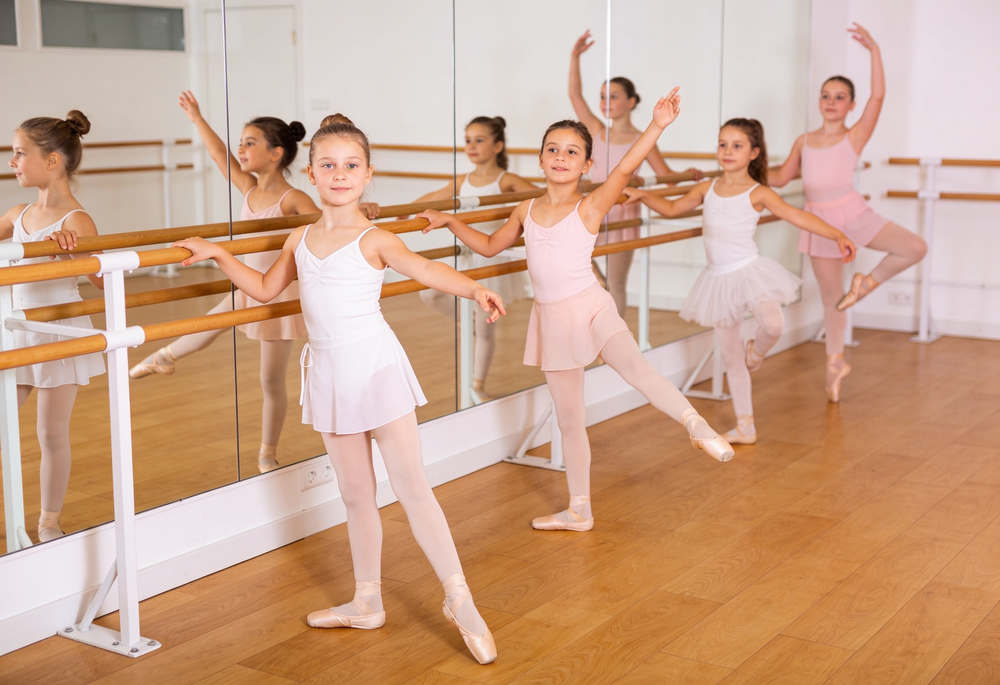
Through child dance lessons, young dancers can explore ballet, hip hop, and other styles while building a foundation that supports future growth. Starting recreationally does not close the door to competition later.
When competitive dance may be the better fit
Competitive dance asks more of a child and the family. There may be additional training hours, rehearsals, travel, costumes, competition weekends, and higher overall costs. Parents should look at the full commitment before saying yes, especially when schoolwork and other family responsibilities are already demanding.
The payoff can be meaningful for a child who genuinely wants that environment. Competition can sharpen discipline, help dancers respond to professional critique, and give them more stage experience. The important part is that the desire comes from the child too. A parent may see talent, but talent alone does not mean a young dancer is ready to organize a larger part of life around dance.
Watch what your child does without being pushed
Children often give clear clues. A dancer who practices combinations at home, asks about taking another class, watches older dancers closely, or talks excitedly about performing may be ready for more. A child who enjoys class but resists extra practice may be perfectly happy in a recreational program.
Age matters, but readiness is more than a birthday. Consider how your child handles correction, long days, frustration, and repetition. Competitive training can be exciting, yet it also requires patience when a skill takes weeks or months to improve.
Look at the family schedule before committing
Dance affects more than the dancer. Before choosing a competitive path, think about transportation, school nights, weekends, travel, and the time available for siblings or other activities. A child can be enthusiastic and still need a schedule that leaves room to rest.
Apopka families also have plenty of ways to support physical development outside the studio. Hiking, swimming, paddling, and other outdoor activity around nearby Wekiwa Springs can help children build stamina and body awareness without turning every free hour into formal training.
There is no penalty for starting recreationally
Many strong dancers begin in recreational classes. They learn what they enjoy, develop technique, and gain enough experience to decide whether they want more. That can be a healthier decision than pushing a child into competition before they understand what the commitment feels like.
Parents sometimes worry that waiting will put a child behind. A better question is whether the dancer is growing at the right pace for their current interest and maturity. Good instruction and useful critique matter on either path.
Find the right dance path in Apopka
3D Motion Dance Center offers recreational and competitive options for Apopka-area dancers across ballet, hip hop, and more. Parents can discuss a child's age, interests, experience, and current schedule before deciding which direction makes sense. A trial class can also show you far more than guessing from a class description.
Call 3D Motion Dance Center at (407) 786-0269 to talk through the options, or book a trial class by contacting 3D Motion Dance Center today.