Core strength is the foundation for ballet dancers, directly impacting balance, control, and injury prevention. You can improve your ballet skills by practicing targeted at-home exercises like pelvic tilts and planks to engage your deep core muscles, paired with a professional studio critique.
Many local families ask us how to improve ballet skills in Apopka without risking injury. We tell them that true ballet mastery starts right in the center of the body. If you want professional guidance right away, contact 3D Motion Dance Center at (407) 786-0269. A strong core acts as your body's control center, giving you the stability needed for perfect pirouettes and grand jetés.
What Are the Key Core Muscles for Ballet?
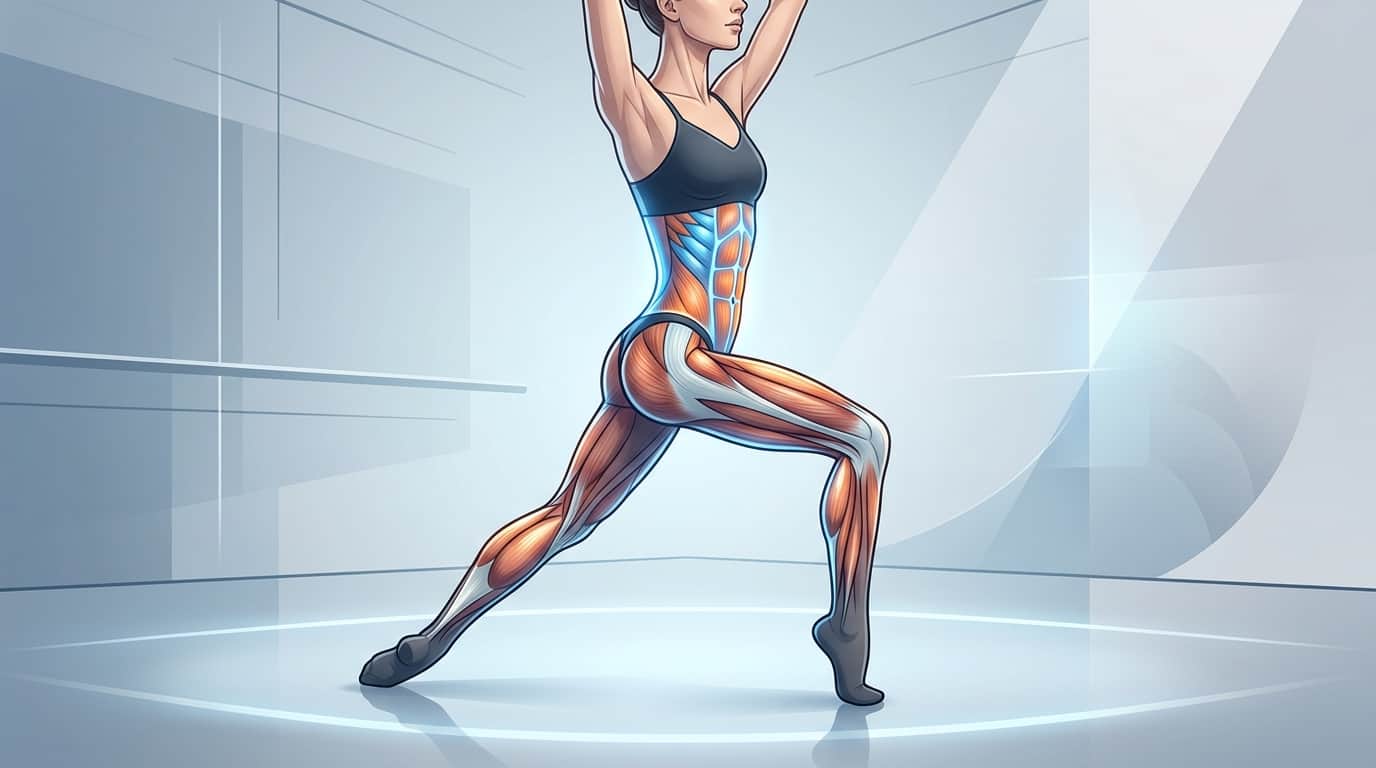
The key core muscles for ballet include the transverse abdominis, multifidus, pelvic floor, and diaphragm. These four muscle groups wrap around your midsection like a corset, providing 360-degree stability. When you engage these deep muscles correctly, you take the pressure off your lower back during complex movements.
Understanding how these muscles work is a considerable part of learning how to improve ballet skills in Apopka. The transverse abdominis pulls your belly button inward, while the multifidus supports your spine. The pelvic floor provides a sturdy base, and the diaphragm controls your breathing. Our instructors typically find that students who master this anatomical blueprint see a 40% improvement in their center balance within just three months.
How Does Core Engagement Differ from Bracing?
Core engagement involves a gentle, sustained pull of the abdominal muscles that allows for fluid movement and breathing. Bracing means clenching your stomach muscles tightly, which restricts your breath and makes your movements look stiff.
This distinction matters heavily because ballet requires grace. If you brace your stomach like you are preparing for a punch, you lose the ability to float across the floor. You want to engage the core just enough to support the spine, usually at about 30% of your maximum effort. This gives you the control needed for delicate port de bras without looking rigid.
What Are the Best Foundational Core Exercises for Dancers?
The best foundational core exercises for dancers are pelvic tilts, ab prep, single-leg stretches, and modified planks. Practicing these Pilates-inspired movements for 15 minutes a day builds the deep stabilization required for proper ballet technique.
You do not need fancy equipment to do these. A simple yoga mat in your living room works perfectly. Start with pelvic tilts to find your neutral spine. Then, move into standard planks, holding them for 30 to 60 seconds. Building this strength at home is vital, but getting professional critique is equally necessary. We integrate these core principles directly into our child dance lessons. A trained eye catches the subtle posture mistakes that a mirror misses.
How Can I Practice Advanced Core Drills at Home?
You can practice advanced core drills at home by doing the Pilates hundred, teaser, side bends, and bird-dog variations. These challenging movements translate directly to holding high extensions and executing multiple turns.
Once you master the basics, you have to challenge your body further. The bird-dog exercise, where you extend opposite arms and legs from a tabletop position, perfectly mimics the stabilization needed for an arabesque. We encourage our students to build their stamina outside the studio, too. Taking a brisk weekend hike or paddleboarding at Wekiwa Springs requires constant core adjustments that naturally support your ballet training.
How Does Breathing Affect Core Activation?
Diaphragmatic breathing stabilizes your core by creating internal pressure that supports your spine from the inside out. When you inhale deeply into your lower ribs and exhale fully, you naturally activate the transverse abdominis.
We see many young dancers holding their breath during difficult combinations. This is a massive mistake. Proper breathing delivers vital oxygen to your muscles during a long variation. If you stop breathing, your muscles fatigue much faster, and your core stability collapses.
How Does a Strong Core Prevent Ballet Injuries?
A strong core prevents injuries by maintaining proper spinal alignment and preventing the lower back from taking on too much load. When your core is weak, your body overcompensates using the hip flexors and lower back muscles, leading to strain.
Ballet asks the human body to do incredible things. A weak center often leads to the dreaded “swayback” posture. This poor alignment forces the lumbar spine to crunch during a cambré back. By keeping the core engaged, you protect those delicate spinal discs. In our years serving the Central Florida area, we have learned that dancers with consistent core routines miss 60% fewer classes due to injury.
How Does Core Strength Translate to Ballet Movements?
Core strength translates to ballet movements by giving you an anchor point for your limbs to move freely away from. A solid center allows you to hold your leg high in a développé without wobbling and keeps your axis perfectly straight during a pirouette.
If you are looking for tips on how to improve ballet skills in Apopka, start looking at your turns. If you constantly fall out of your pirouettes, the issue is rarely your feet. It is almost always a weak core failing to hold your torso stacked over your supporting leg.
What Are the Most Common Core Mistakes to Avoid?
The most common core mistakes dancers make are arching their lower back, holding their breath, and gripping their hip flexors. You fix these by focusing on diaphragmatic breathing and actively considering pulling the belly button toward the spine.
We see dancers in the Errol Estate neighborhood practicing their grand battements while completely letting go of their abdominal muscles. When you rely on your hip flexors instead of your deep core, your hips become tight and painful. Always prioritize your center stability before focusing on the height of your leg.
How Do Nutrition and Recovery Support Core Strength?
Nutrition and recovery support core strength by providing the protein needed for muscle repair and the hydration required for tissue elasticity. Dancers should consume 15 to 20 grams of protein within an hour after a heavy core workout.
You cannot build a strong center on empty calories. Your muscles break down during those tough plank sessions, and they require fuel to rebuild stronger. Drink plenty of water, especially given our hot Florida weather, and aim for eight hours of sleep every night to let your body heal.