There is no single perfect age to start dance classes. Some children are ready for movement and rhythm activities when they are very young, while others do better once they can follow directions and stay engaged for longer periods. For Apopka families who enjoy active days around Wekiwa Springs State Park, dance can be another natural way for a child to build coordination, body awareness, and confidence.
If you are wondering what age should my child start dance classes, call 3D Motion Dance Center at (407) 786-0269, or reach out to 3D Motion Dance Center for help choosing an age-appropriate starting point.
A child who loves moving, climbing, and playing at the Northwest Recreation Complex may already be showing the physical curiosity that dance can develop. The first class does not need to be about perfect steps. Early dance experiences should help children become comfortable with rhythm, balance, listening, and moving with purpose.
For families near Lake Apopka, there are plenty of options for keeping children active, and dance can complement that outdoor time rather than replace it. The best starting point depends less on a number and more on what your child can comfortably handle in a class setting.
Very young dancers need movement before perfection
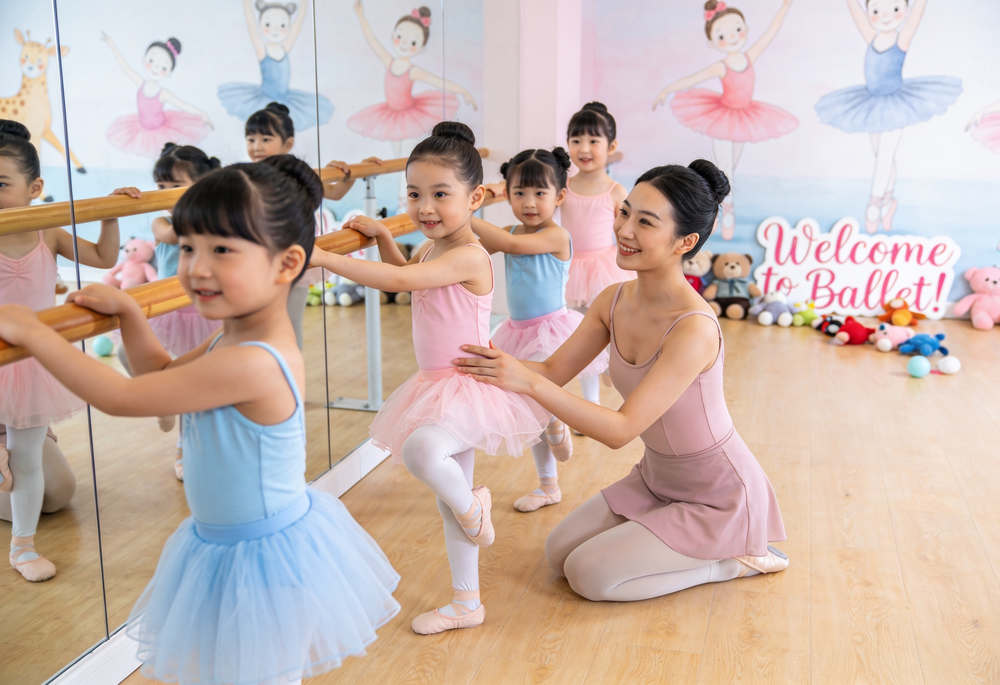
For a very young child, a good dance experience is often playful. Music, simple patterns, changes in direction, and basic movement can help build coordination without expecting the focus of an older student. The goal is not to rush formal technique.
Parents can watch for simple signs of readiness. Does your child enjoy copying movements? Can they participate in a group without becoming overwhelmed? Do they respond well to short instructions? These clues are often more useful than comparing your child with another dancer of the same age.
When more structured dance classes make sense
Ballet, tap, jazz, and hip hop can become more structured as children gain the ability to listen, repeat combinations, accept correction, and stay focused through class. Readiness varies. One child may enjoy detailed instruction sooner, while another needs more time to feel comfortable in a group.
That difference is normal. A first dance class should challenge a child without making every session feel like a test. If a child leaves curious, talks about what they learned, or wants to practice a movement at home, those are encouraging signs that the class level may be a good fit.
The early foundations matter more than flashy skills
Young dancers benefit from learning how to use their bodies safely. Core stabilization helps support control and posture. Attention to joint health can reduce the habit of forcing positions before the body is ready. Gentle at-home stretching, when guided appropriately, can reinforce mobility without turning practice into a daily battle.
Professional critique matters here. A trained instructor can notice small habits that a parent may not see, such as poor alignment, unstable landings, or movements performed with unnecessary tension. Correcting those habits early can help a child build cleaner technique as training becomes more demanding.
Outdoor play can support a young dancer too
Dance does not have to be the only source of physical activity. Walking, swimming, paddling, and outdoor play can help children develop stamina and general body awareness. Apopka families have access to places such as Wekiwa Springs, where active recreation can complement time spent in the studio.
Rest matters as well. More classes are not automatically better, especially for a child who is tired, losing interest, or struggling to balance school and other activities. A sustainable schedule gives young dancers room to enjoy what they are learning.
Choose the class that fits the child you have now
Parents sometimes focus on finding the earliest possible start. A better approach is to choose a class that matches the child's current attention span, confidence, physical development, and interest. There is no advantage in pushing a child into a level that makes dance feel stressful before they have had a chance to enjoy it.
Through child dance lessons, children can explore different styles and learn at a pace suited to their stage of development. Some may be drawn to ballet. Others light up with hip hop, tap, or jazz. The right first class is the one that gives the child enough structure to learn and enough room to stay curious.
Find a starting point that feels right in Apopka
3D Motion Dance Center welcomes Apopka-area families looking for age-appropriate dance instruction across different styles. A conversation about your child's age, personality, experience, and ability to follow directions can help narrow the options. A trial class can also give parents a clearer sense of fit before making a longer commitment.
Call 3D Motion Dance Center at (407) 786-0269 to discuss the right starter class for your child, or book a trial by contacting 3D Motion Dance Center today.